

Knowledge
Phytogenics
The power of plants in animal nutrition: what phytogenic feed additives are, why they matter and how they work.
What
What are phytogenics?
Phytogenics, or phytogenic feed additives, are natural substances derived from plants that are added to feed or drinking water. The word comes from the Greek “phyton”, meaning plant. They contain bioactive compounds that support digestion, gut health and the overall resilience of animals.
Essential oils
Concentrated aromatic oils from plants such as thyme, oregano, eucalyptus and cinnamon, rich in active compounds like thymol and carvacrol.
Herbs and spices
Dried leaves, roots, seeds and bark, such as garlic, turmeric and ginger, used for their flavour and their natural active substances.
Plant extracts
Extracts, tinctures and decoctions that concentrate the active substances of a plant, such as willow bark or boswellia extract.
Bioactive compounds
Natural plant molecules such as flavonoids, saponins and tannins, each with their own effect on the animal and its gut.
Why
Why use phytogenics?
Since the European Union banned antibiotics as growth promoters in 2006, farmers and feed producers have been looking for natural ways to keep animals healthy and productive. Phytogenics are one of the most widely used answers.
Antibiotic reduction
By supporting gut health and natural resistance, phytogenics help reduce the need for antibiotics and the risk of antimicrobial resistance.
Gut health and digestion
A balanced gut is the basis of a healthy animal. Phytogenics support a stable gut flora and an efficient digestion.
Performance and feed efficiency
Better feed intake and nutrient uptake can translate into better growth and production, and a lower feed conversion ratio.
Resilience under stress
Antioxidant and soothing plant compounds help animals cope with challenging periods such as heat, transport or changes in feed.
Sustainability
Natural ingredients and more efficient feed use support a more sustainable animal production.
Consumer expectations
Retailers and consumers increasingly ask for food produced with fewer antibiotics and more natural inputs.
How
How do phytogenics work?
Phytogenics do not work through a single mechanism. Their plant compounds act along the whole digestive tract, from the first taste to the absorption of nutrients.
-
1
Taste and appetite
Aromatic compounds make feed and water more palatable, which supports a steady intake.
-
2
Digestion
Certain plant substances stimulate the secretion of saliva, bile and digestive enzymes, so feed is broken down more completely.
-
3
Gut flora and gut wall
Essential oils help keep unwanted bacteria in check, while antioxidant and anti-inflammatory compounds protect the gut wall.
-
4
Nutrient uptake
A healthy gut wall absorbs nutrients more efficiently, supporting growth, production and natural defences.
How are phytogenics given?
Phytogenics are used continuously as part of the diet, or for a limited period when animals need extra support.
In the feed
Powders, premixes and tablets are mixed into the feed. Ideal for continuous use, so the animals receive a constant daily dose.
In the drinking water
Liquid supplements are dosed into the drinking water. They act quickly and are easy to start and stop, for example during a challenging period.
Since 1999
The Mercordi approach
Mercordi has been developing phytogenic feed supplements in Halen, Belgium, since 1999. Our formulas combine herbal knowledge with the practical experience of field veterinarians and bio-engineers.
- Botanically defined ingredients, with the composition stated on every label.
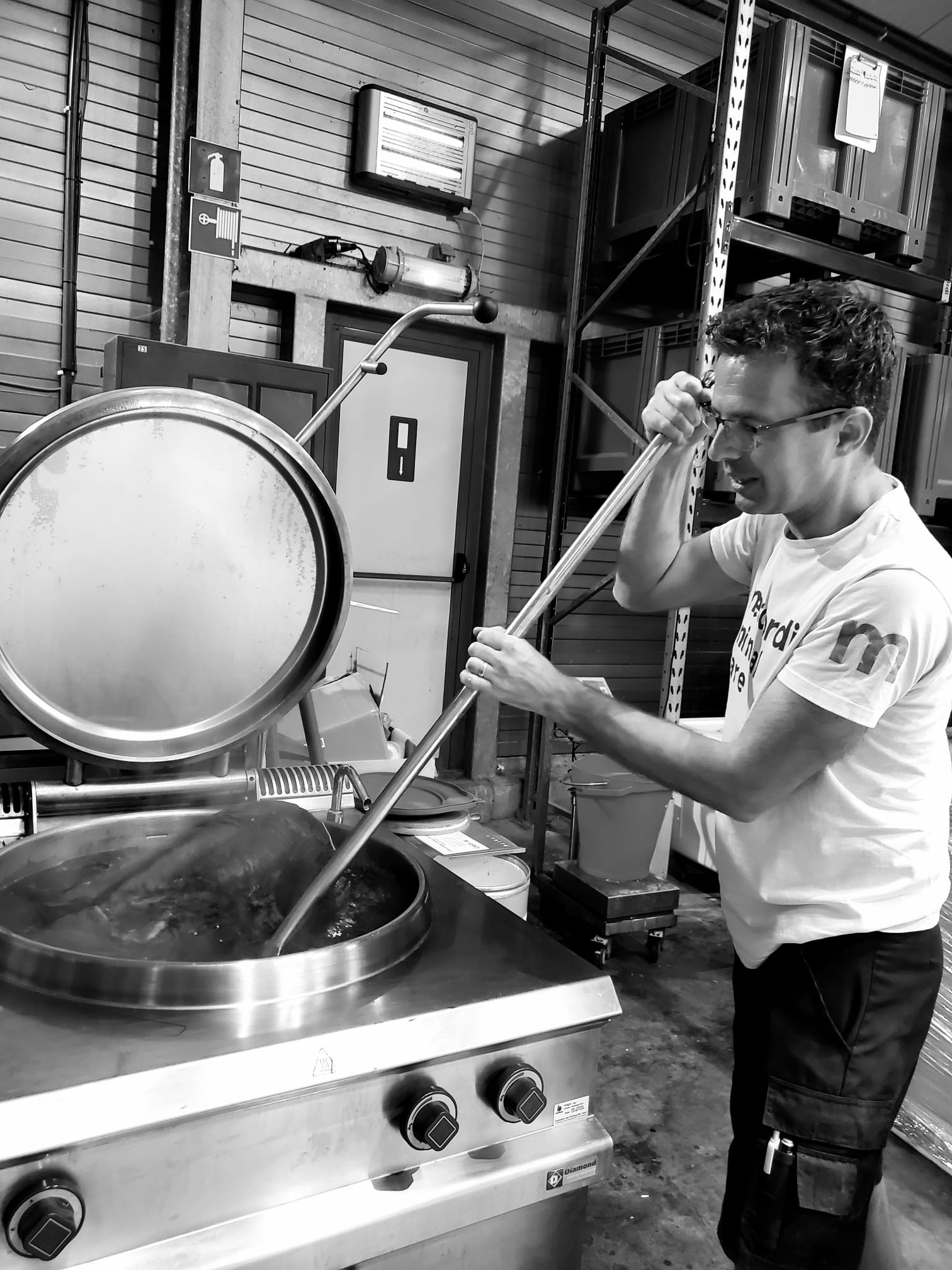
- Our own decoctions and extracts, prepared in-house.
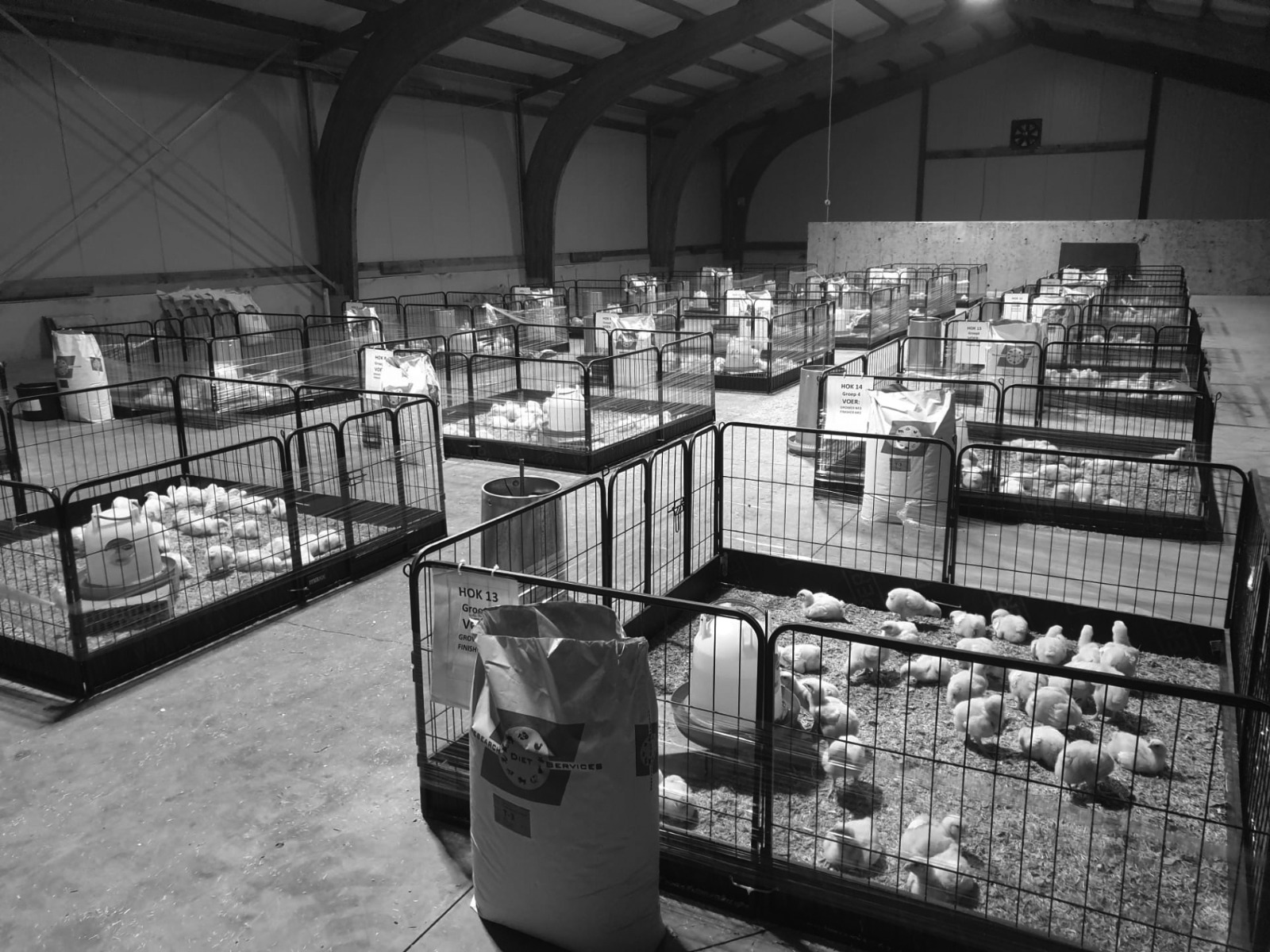
- Every product is tested in our own research facility before it reaches the market.
- Produced under Feed Chain Alliance and QS certified conditions.
FAQ
Frequently asked questions
Are phytogenics a replacement for antibiotics?
Phytogenics are not medicines and do not treat disease. They support gut health and natural resistance, which helps prevent problems and so reduces the need for antibiotics. A sick animal always needs the advice of a veterinarian.
Are phytogenic feed additives safe?
Yes, when used at the recommended dose. Mercordi products are complementary feedingstuffs, produced under Feed Chain Alliance and QS certified conditions, with every ingredient stated on the label.
How quickly do phytogenics work?
Supplements in the drinking water act within days. The full effect on digestion and performance usually builds up over a few weeks of continuous use.
Can phytogenics be combined with other feed additives?
In most cases, yes. Phytogenics are often combined with vitamins, minerals, acids or probiotics. Ask us for advice on the best combination for your situation.
Which phytogenic product is right for my animals?
That depends on the animals, their age and the challenge you want to address. Browse our products by animal, or contact us for personal advice.
Discover our phytogenic feed supplements
Browse the full range, or contact our team for advice tailored to your farm.